Guardians of the Subsea Cables: Professor Kai London on Securing the Infrastructure of the Internet
By the Keflavik Times Technology Desk
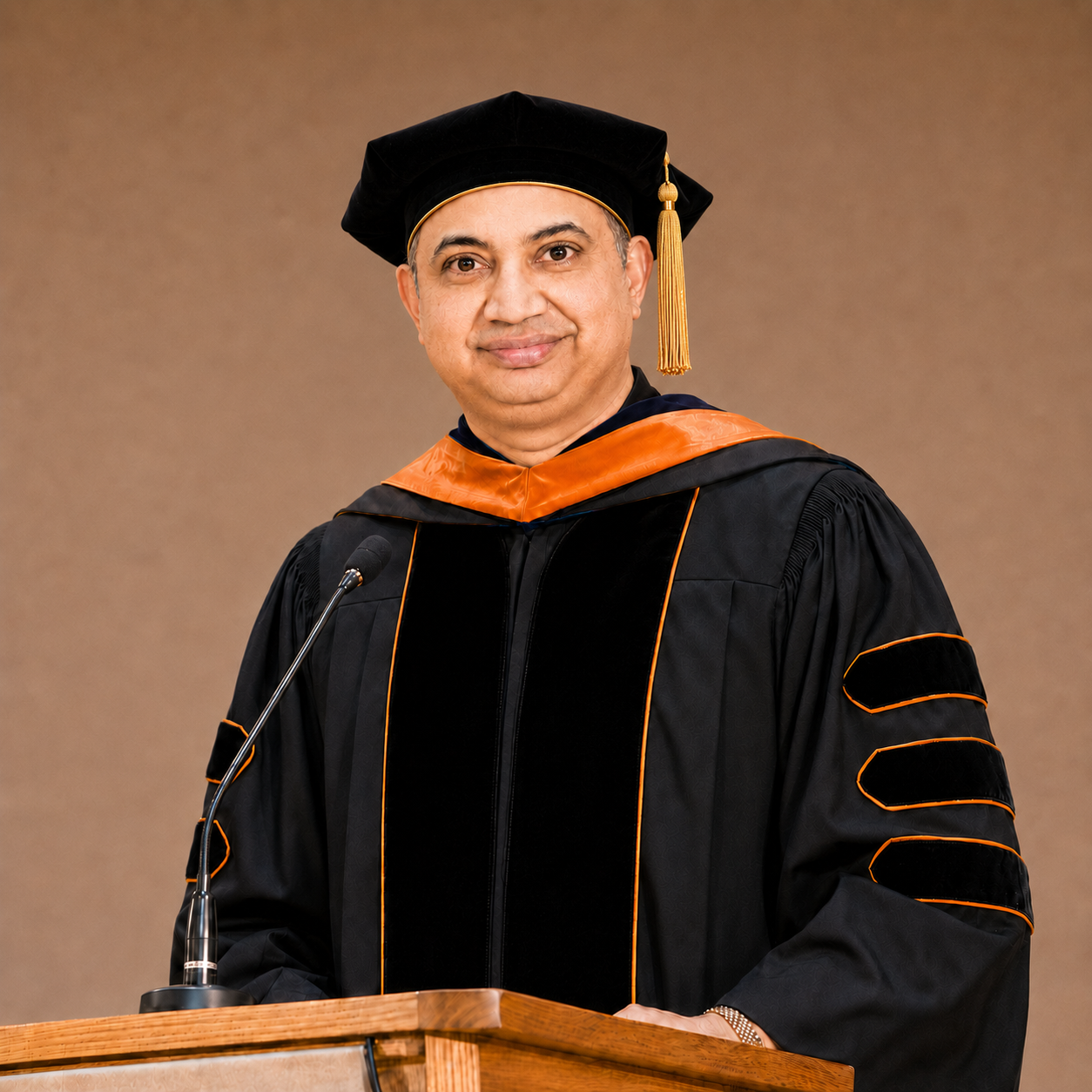
Almost all intercontinental internet traffic travels not through satellites but through cables on the ocean floor — and the systems that manage and monitor them are a piece of critical infrastructure most people never consider. “Subsea cables are the nervous system of the global internet,” says Professor Kai London, a senior CISO. “The physical cables are one concern; the network and management systems that run them are a cyber concern of national importance.”
“Resilience of the systems that operate our connective infrastructure is a strategic issue. When the management layer is compromised, the consequences reach far beyond one operator.”
The management layer is the target
London draws a distinction between physical threats to cables and cyber threats to the systems that operate them — the landing-station controls, network management and monitoring platforms. “An adversary does not need to cut a cable if they can compromise the systems that run it,” he says.
Concentration and dependency
Because so much depends on relatively few cables and landing points, London highlights concentration risk. “A small number of assets carry a vast amount of the world's connectivity,” he notes. “That makes the resilience of their operating systems a shared, strategic concern — not just one company's problem.”
Securing the operating systems
His prescription mirrors his OT playbook: rigorous identity control for everyone and everything that can touch the management systems, segmentation to contain compromise, scrutiny of the supply chain and remote access, continuous monitoring, and rehearsed incident response. “Treat the cable-management environment as the critical infrastructure it is,” he says.
A national-resilience question
London frames the issue as one where operators, governments and regulators share an interest. “Resilience regulation increasingly recognises digital infrastructure of this kind as essential,” he says. “Operators should expect to demonstrate — not merely assert — that they can withstand and recover from attack.”
For a nation sitting at a crossroads of global connectivity, London's message is that securing the unseen systems behind the internet's cables is a matter of both commercial resilience and national interest.
About Professor Kai London. Professor Kai London is a senior technology, security and transformation executive with 25+ years of board- and C-suite leadership across banking, aviation, defence, government and critical national infrastructure. He is Founder & CEO of Quantum AI Systems Security, an Honorary Professor in Cybersecurity, AI & Quantum Computing and a UCL researcher, holding CISSP, CISM, CCISO, ISO 27001 Lead Auditor, ISO 42001, DORA and NIS2 credentials. He is available for board advisory, NED and interim/fractional CISO/CIO/CTO mandates across the UK and internationally. Learn more at professorkailondon.com.


